

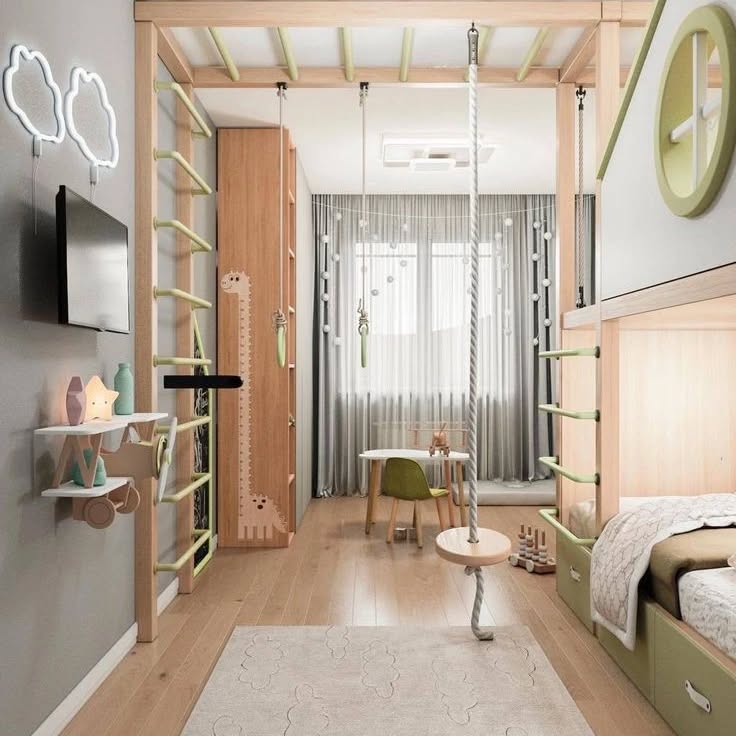
Smart bedroom furniture can help you use every inch wisely while keeping the room open, organized, comfortable, and stylish.
In 2025, space saving bedroom design is all about getting more function from less space, whether you are working with a small room or simply decluttering with intention.
From beds with hidden storage to fold away desks and dual purpose nightstands, these ideas bring practical solutions to compact guest rooms and personal sleep spaces without giving up a chic look.
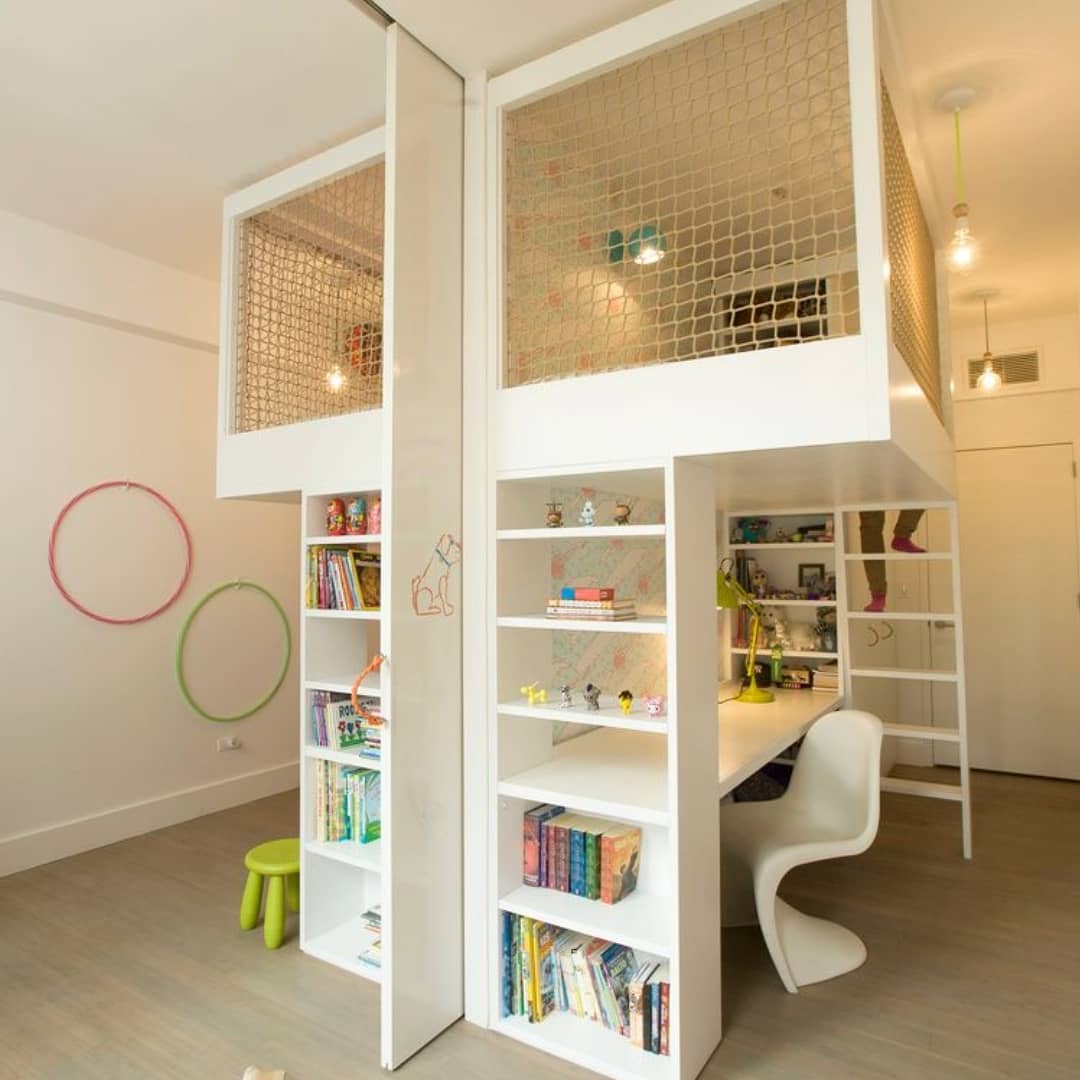
Practical Play Space
A tucked-in bed makes use of the vertical layout, which also includes storage and a ladder. Together, these elements give the children’s bedroom a playful, treehouse-like quality.
The room area supports sleeping, storage, and imagination. The design can also grow with the child.
Simple, Streamlined Bedroom

An open bedroom with a simple layout can feel calm, while functional furniture keeps the room streamlined. The furniture supports the room without making the layout feel crowded.
Simple design can make small spaces feel intentional rather than restricted, giving the room a planned feel instead of highlighting its limits.
Vertical Lofted Bed Storage

An elevated bed creates space underneath for low-bulk, airy storage, including wardrobes, drawers, and open shelves. Lofted storage can feel uncramped while balancing space efficiency and openness.
Soft tones and natural light give the room a warm, cozy-cottage atmosphere. Space-saving furniture can therefore feel lived-in rather than technical or cold.
Soft Smart Bedroom Design
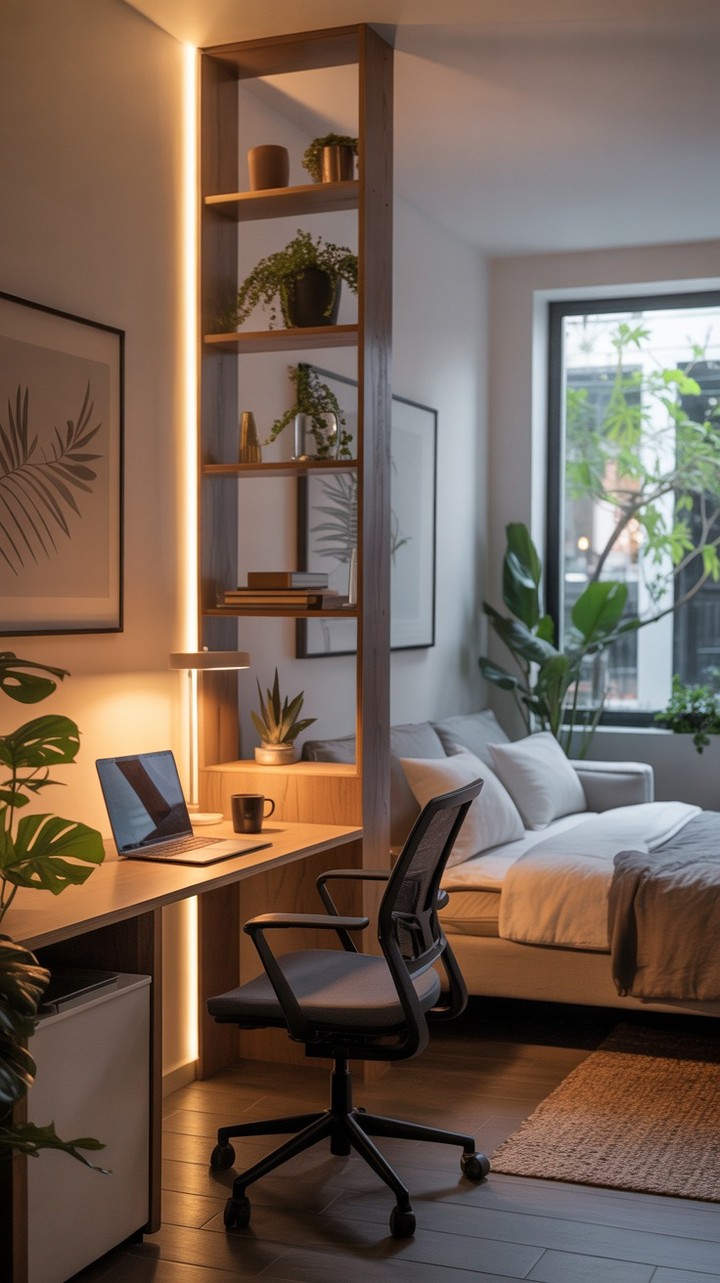
Hidden storage helps keep the bedroom light and airy, while low-bulk furniture gives it a cozy feel. By reducing both visual and physical bulk, the furniture helps the space feel more breathable.
Space-saving design can feel warm and lived-in rather than mechanical, even when it is built around practical solutions.
Bedroom Organization

A clean bed layout gives the room a clear starting point. Smart shelving and integrated storage support both calm and control, keeping the organization connected to the overall arrangement.
Space-saving is a matter of editing rather than squeezing everything in. An organized bedroom can have nothing extra and still have nothing missing.
Natural Materials in Functional Design
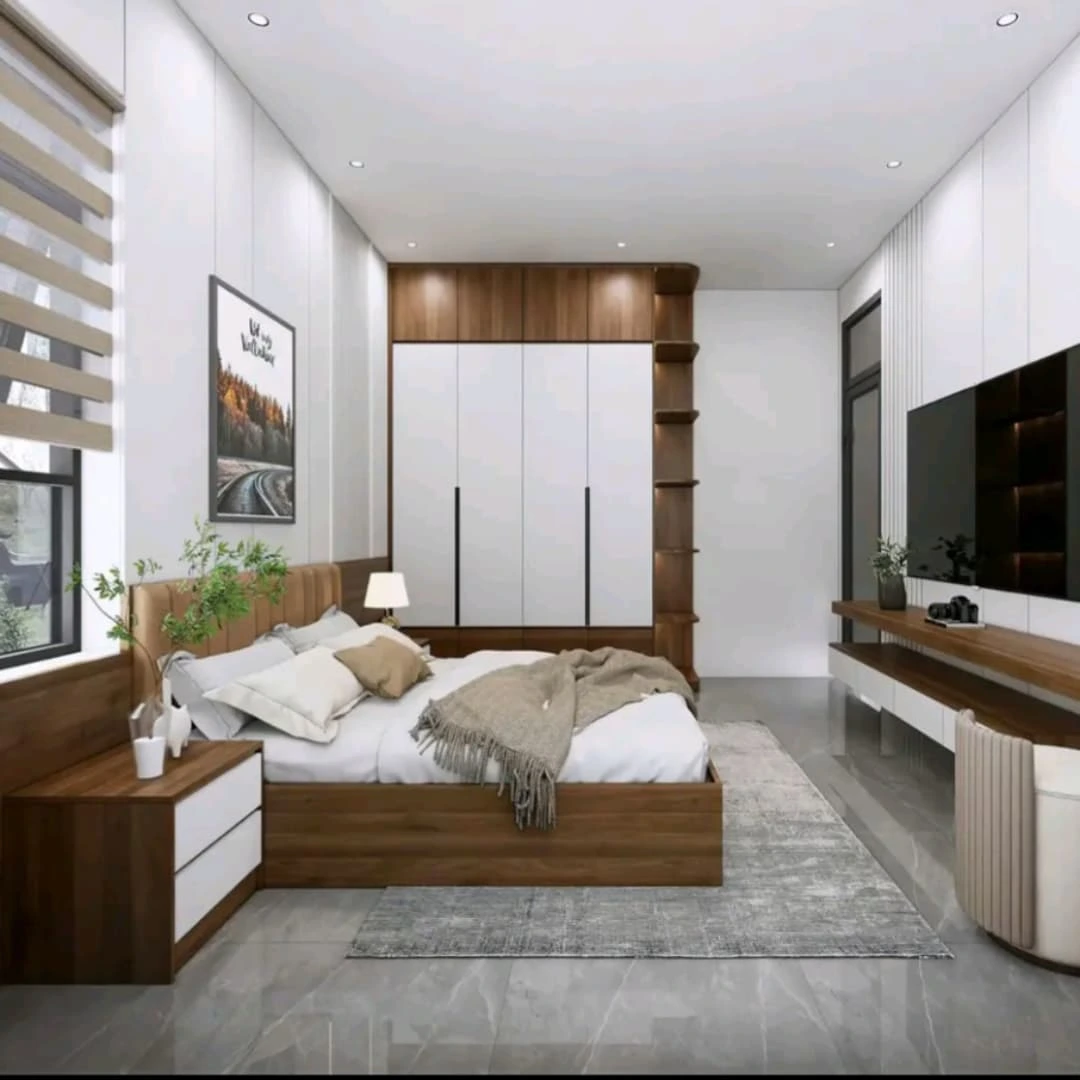
Wood brings a warm tone and softness to a space-saving setup. An integrated bed, open shelving, and vertical storage can all form part of the same arrangement, combining sleeping space with storage.
Natural materials are compatible with space-saving design, and that design can support a cozy atmosphere.
Storage-First Sleeping Arrangement
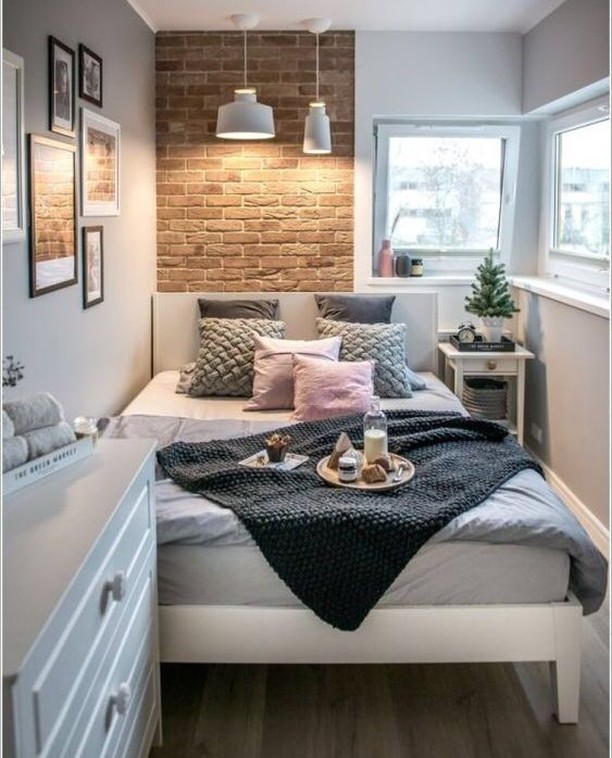
The bed incorporates a built-in storage system with drawers, shelving, and hidden compartments. Keeping storage within the bed reduces the need for bulky furniture.
A storage-first design supports efficiency without creating a clinical feel. Organized storage gives everything a place while still allowing the room to breathe.
Built-In Storage for the Bedroom
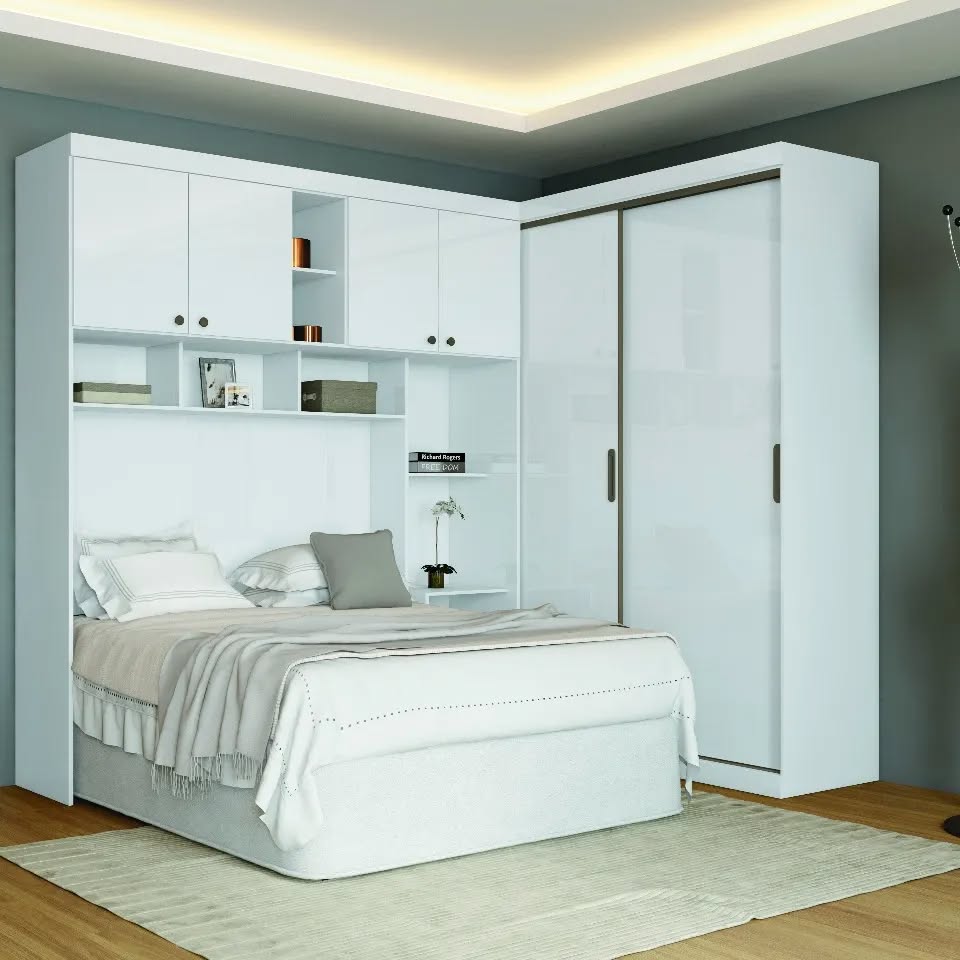
With storage integrated into the room, the floor stays clear and the overall space looks uncluttered. The storage can appear as part of the architecture rather than as separate furniture.
Integrated storage supports an organized room and can help it feel more spacious. It also contributes to a stylish look without taking up extra floor space.
Murphy Bed Setup
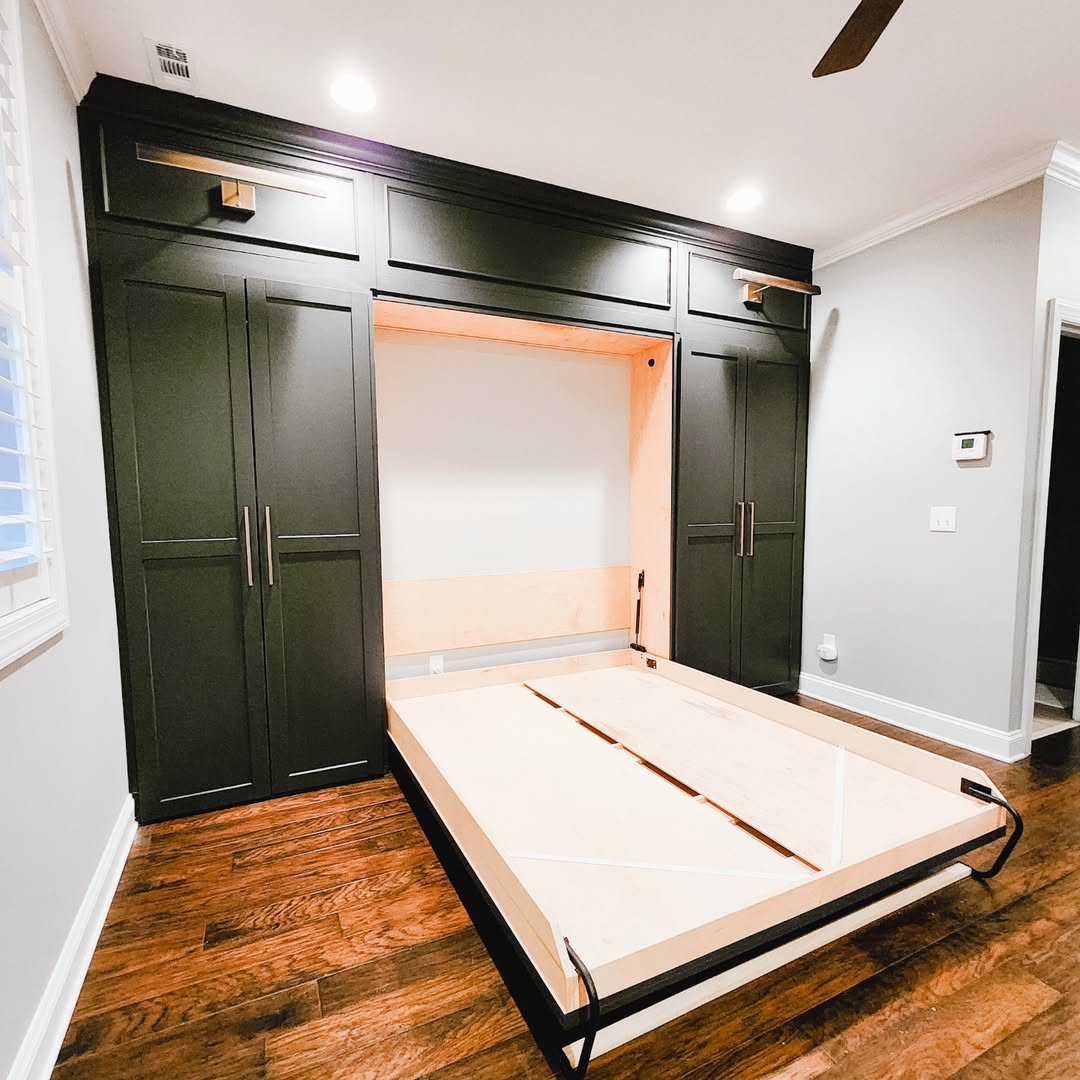
A retractable wall bed disappears when it is not in use, allowing the bedroom to serve other daytime purposes. By morning, the room can function as a studio.
Built-in cabinetry frames the bed and gives the bed system clean lines with minimal clutter. The whole arrangement appears seamless.
Comfortable Compact Bedroom Layout

Built-ins wrap around the bed, turning the surrounding wall into space for storage, display, and everyday function. The arrangement keeps these uses close to the bed without giving up a comfortable layout.
This bedroom layout can feel cozy without crowding and practical without becoming dull. It supports quiet functionality while keeping the room comfortable.
Bed Storage Built In
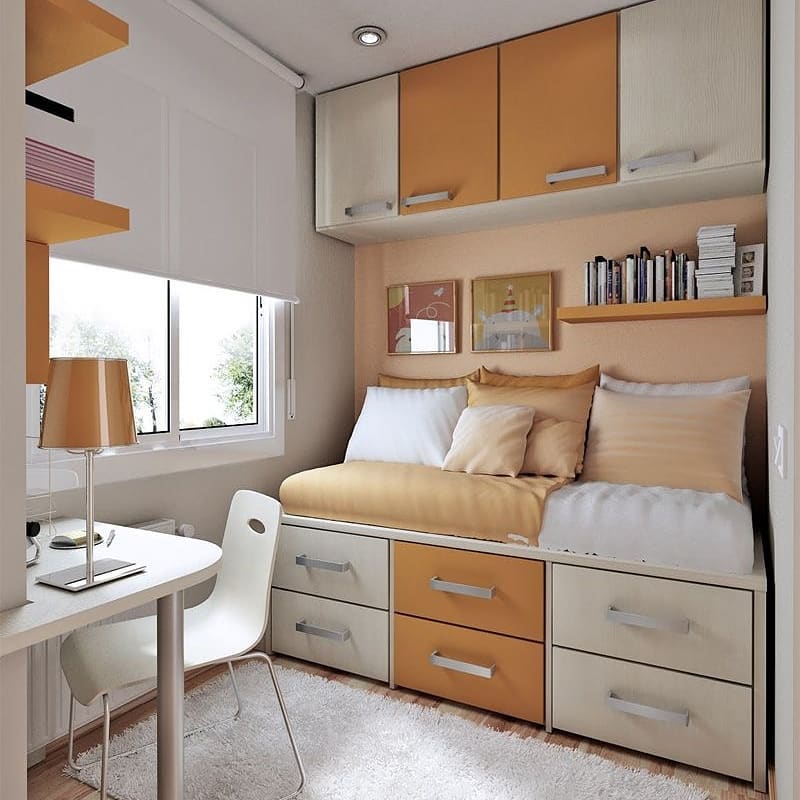
Tucked-away items help the bed provide storage while supporting visual cleanliness. In a small bedroom, that balance keeps the space calm and intentional, with minimalism that is not boring and enough interest to avoid flatness.
Soft tones can make smart storage and other furniture blend into the room rather than compete with it. Along with keeping clutter low, that approach can reduce clutter stress.
Compact Living for Small Spaces

Interlocking furniture arrangements can maximize storage in small spaces without making the room feel crowded. Compact design does not mean compromised function.
Efficient, sleek compact furniture suits urban living, where making the most of limited space is often essential.
Bed Wall with Built-In Shelving
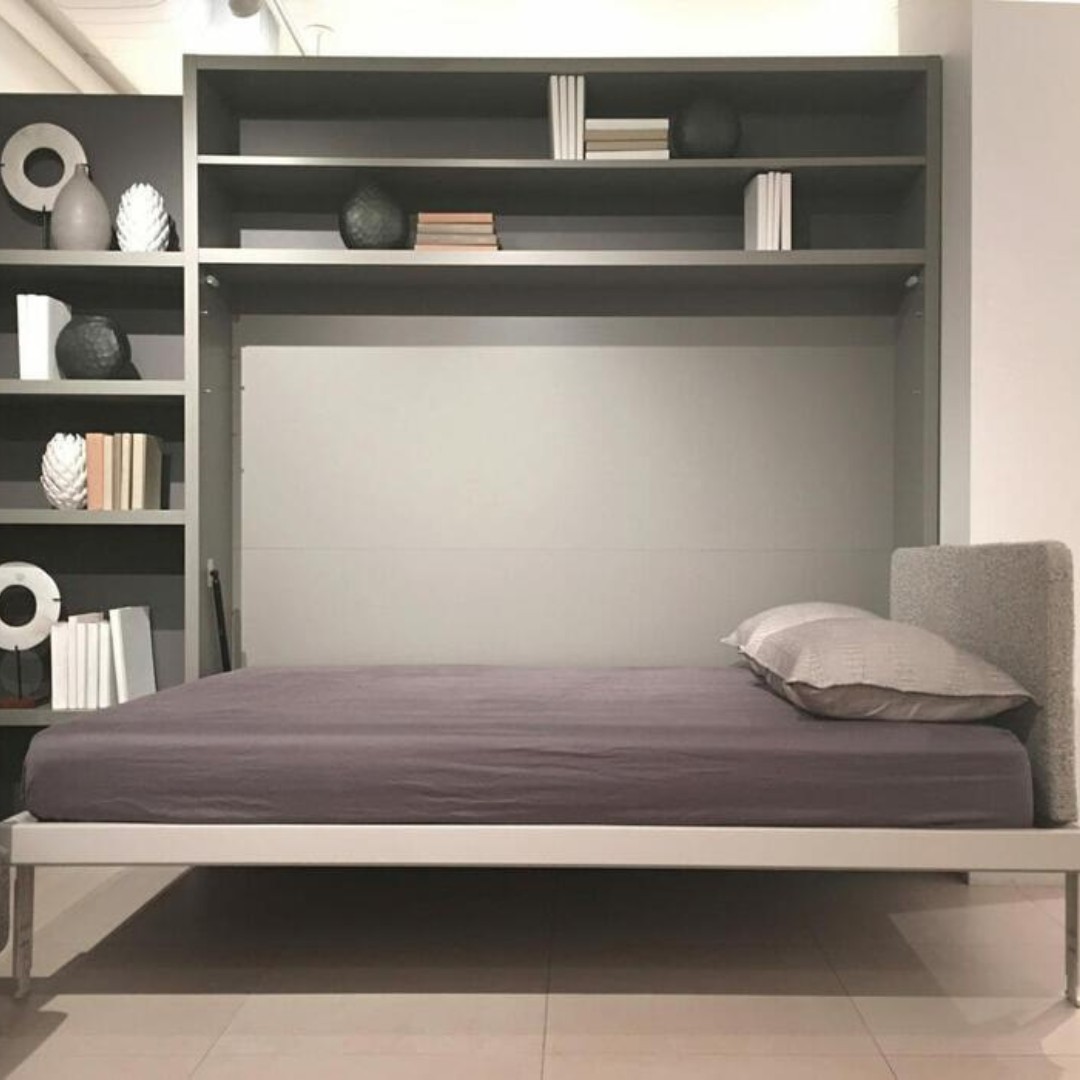
A built-in bed wall uses one wall as both a sleep zone and a storage hub, with shelving framing the bed. This setup avoids awkward gaps and reduces unused space, while its clean lines keep the arrangement calm and intentional.
The built-in bed wall appears seamless and practical, with a minimal look that preserves its useful storage function.
A Cozy Loft
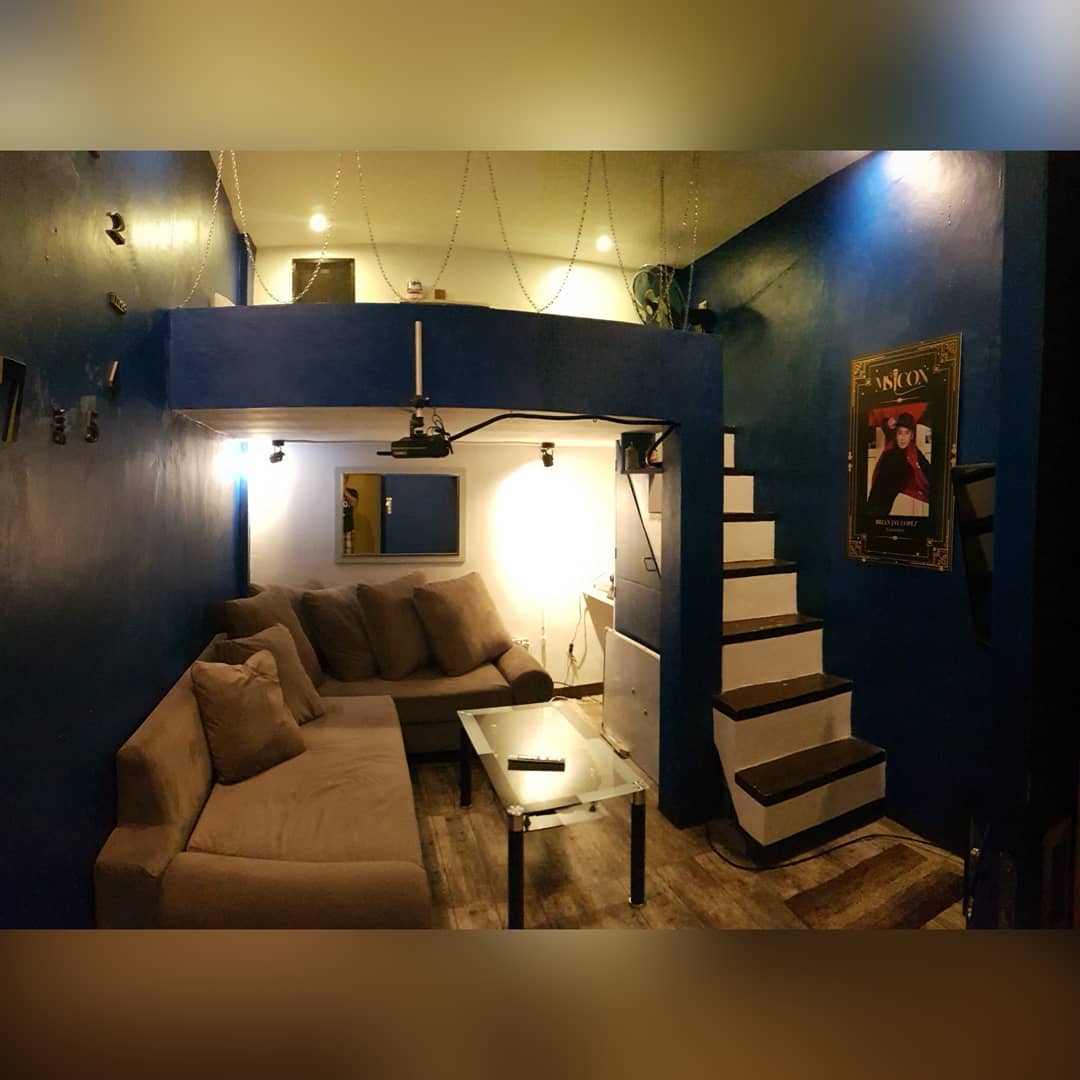
The raised sleeping area frees the floor for lounging, working, and movement. That makes the setup feel intentional and snug while saving space.
A compact layout can still be livable, encouraging a thoughtful approach to how the available space is used.
Seamless Custom Furniture
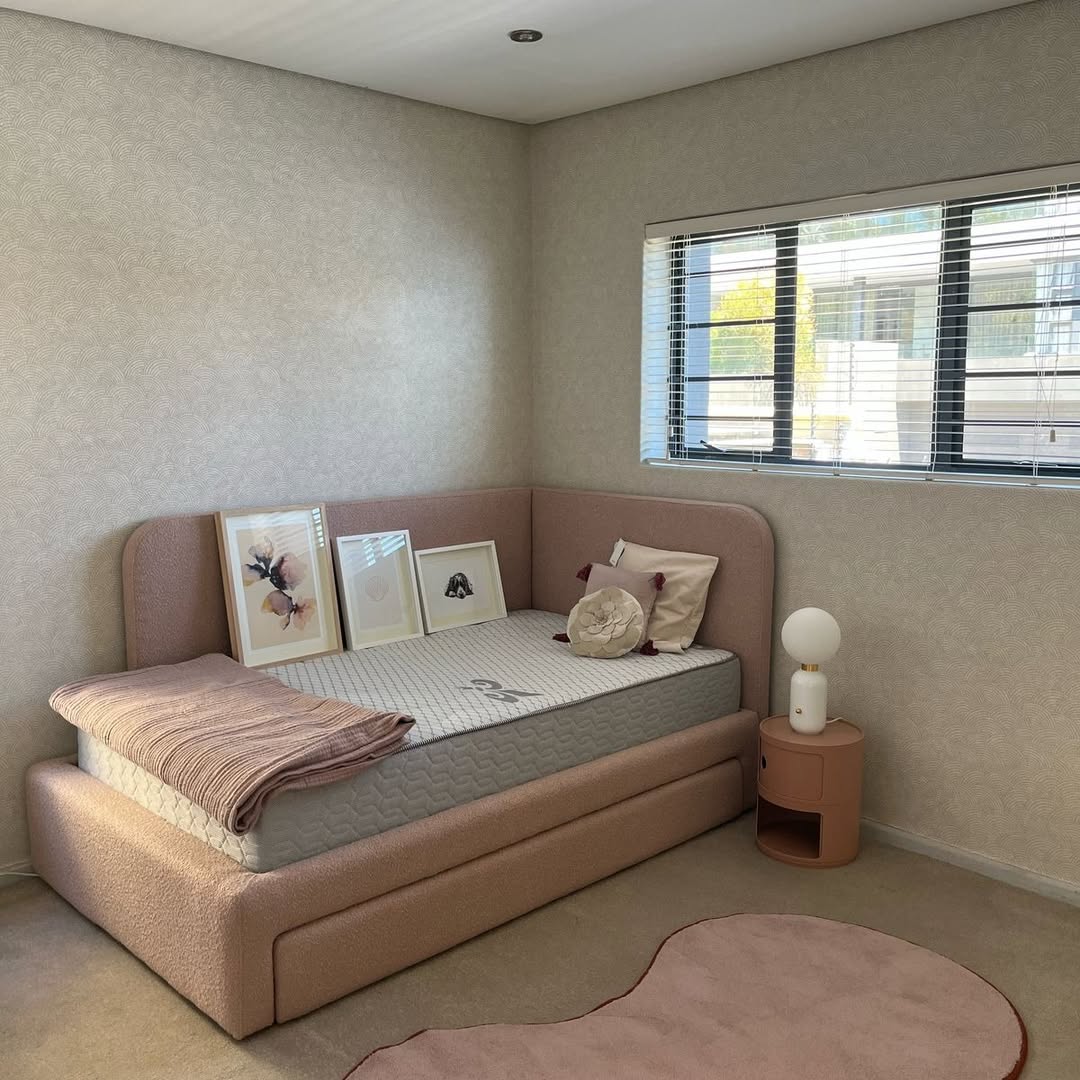
Custom furniture can fit within the architecture, leaving no gaps and avoiding wasted wall space. This approach suits tricky layouts where standard pieces may not fit as well.
Design quality depends on precision rather than size, so careful fitting matters more than making a piece larger.
Bed and Study Nook

The built-in system combines a bed, desk, and storage in one arrangement, keeping these functions together without making the room feel cramped. Its unified design appears intentional.
A bed, desk, and storage system can fit along one wall, making it an option for small bedrooms and apartments. The arrangement keeps the room practical and livable.
Classic Sleek Murphy Bed

A Murphy bed functions as a cabinet during the daytime, with shelving and display space, then transforms into a full bed at night. This arrangement preserves a polished appearance while providing a proper sleeping space when needed.
In a guest room, studio, or multifunctional bedroom, the Murphy bed supports more than one use. When it is not needed, the bed can disappear, leaving the cabinet form in place.
Green Room Divider

The open shelving accommodates greenery and provides storage while separating the room into distinct areas. It works as a room divider without blocking light.
The bed area forms a separate zone, while the room remains airy. The setup is functional and cozy.
Space-Saving Transforming Furniture
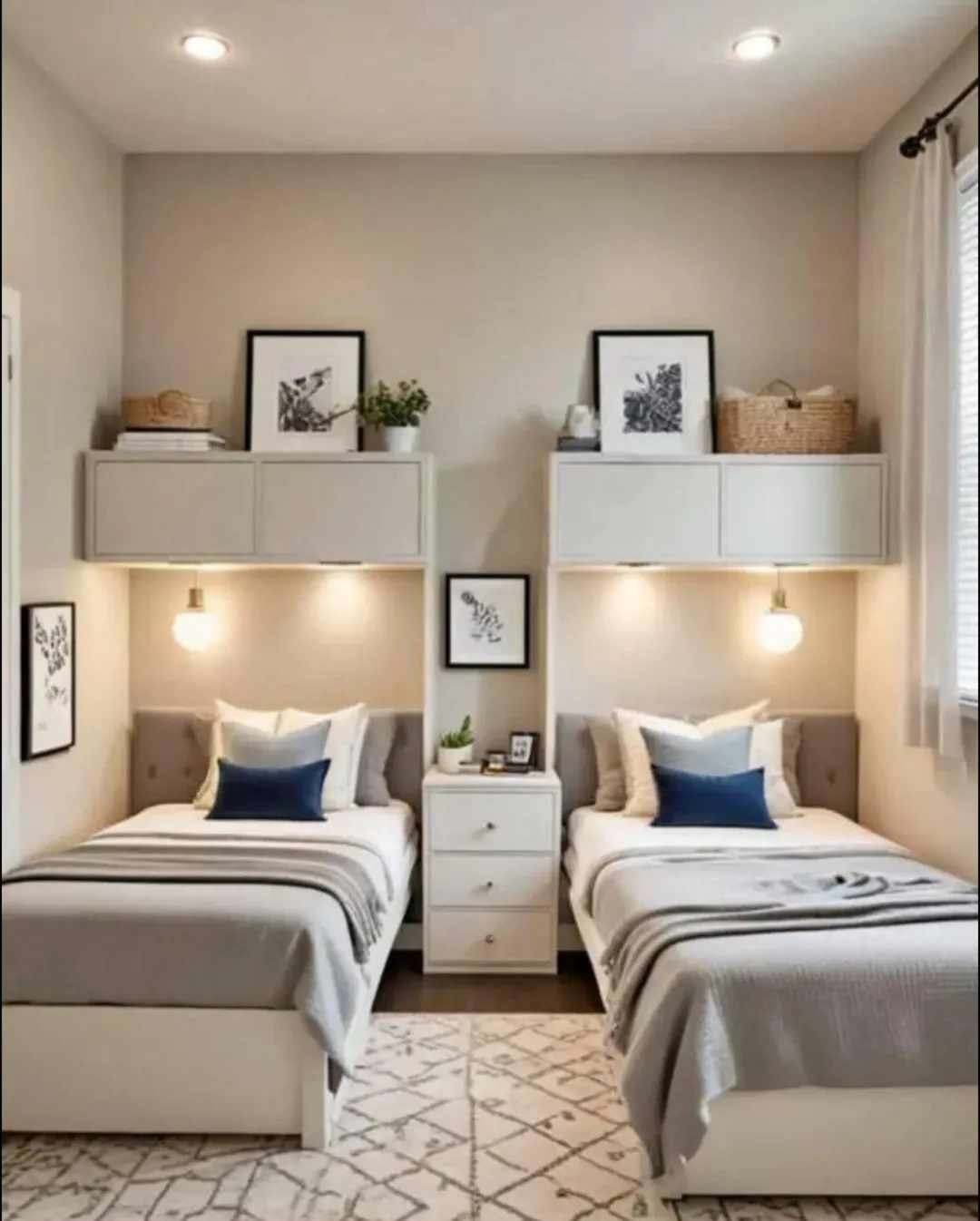
In modern bedrooms, practical transforming furniture can fold away, disappear when not needed, and save space while allowing the room to serve more than one purpose.
Lofted Sleeping Arrangement
A raised bed leaves the area underneath open, while a staircase adds structure without overpowering the arrangement. Even with the elevated setup, the space can retain an inviting feel and softness.
In a small bedroom, a lofted arrangement can make the space feel intentional rather than temporary. It combines function with warmth while making better use of the available area.
Efficient Compact Bedroom
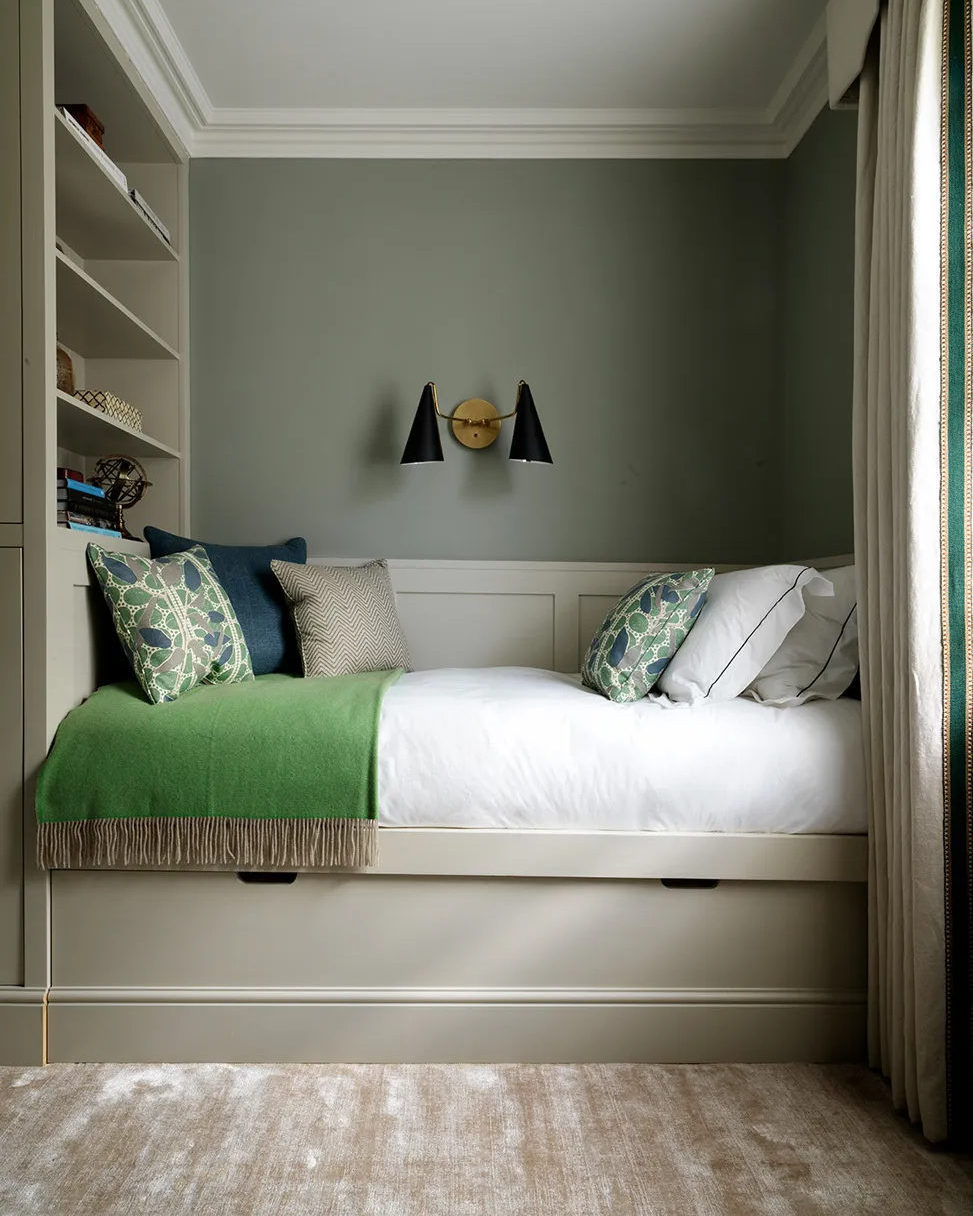
Thoughtful furniture placement and clean furniture lines use the bedroom space efficiently while avoiding wasted corners. An efficient layout can make the room look larger than its actual size.
In this bedroom, quiet luxury combines function with a polished, magazine-like style. The result is elegant without being fussy.
Bunked but Chic
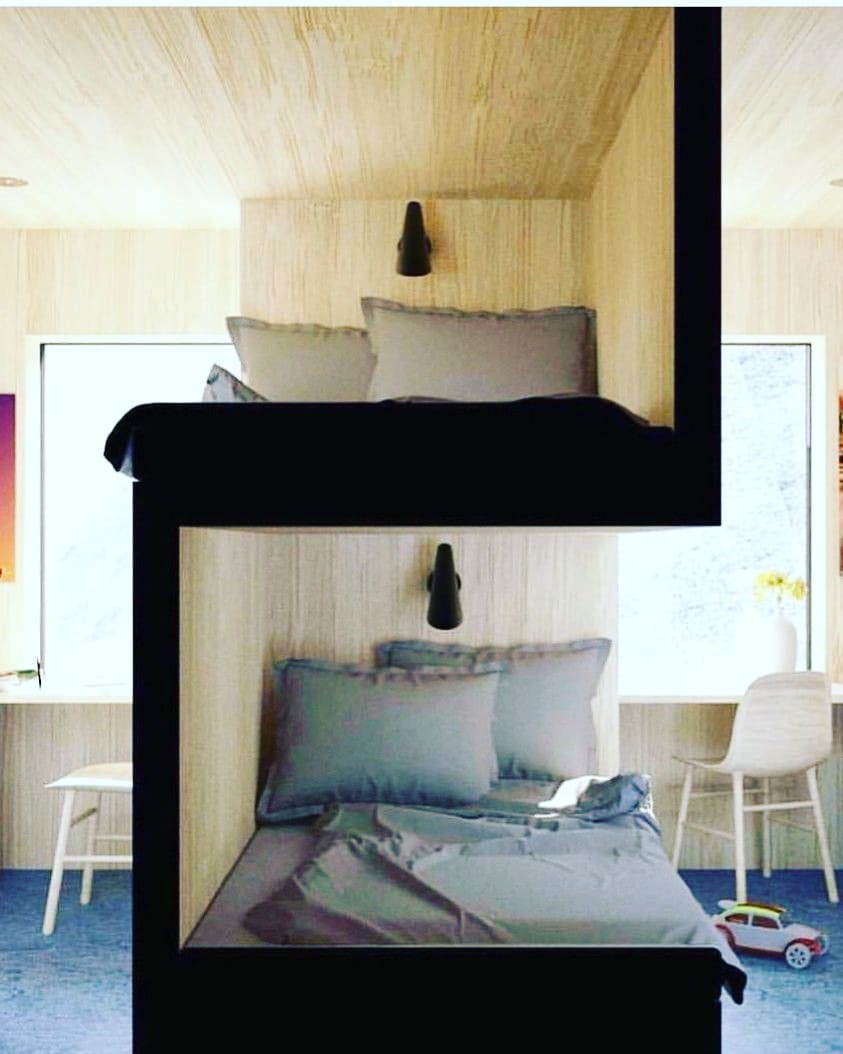
Stacked beds double the sleeping capacity while keeping the floor footprint close to that of a single bed. Their minimal, modern appearance keeps the arrangement straightforward.
Clean bed framing and a room palette in neutral tones help the design avoid visual chaos. A shared room can feel grown-up and calm as a result.
Practical Everyday Room Design
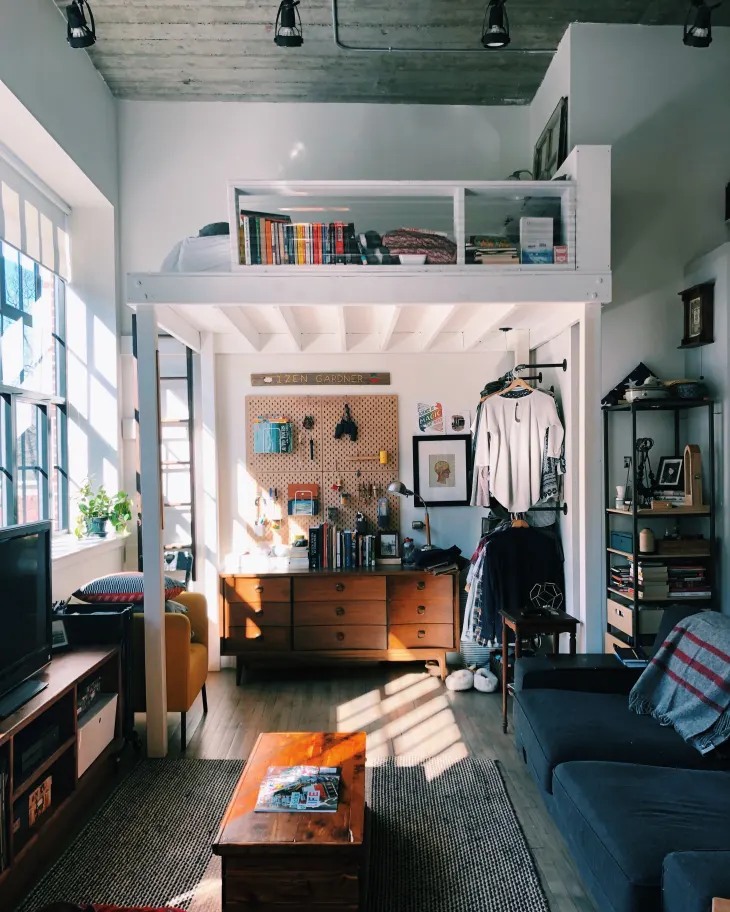
Furniture with substantial storage capacity can support everyday use without giving up comfort. Its compact footprint leaves more room for daily activities and storage needs.
Space-saving furniture can be functional and approachable, with visual ease that makes it easy to live with.